FBG Interrogators

FBG Interrogators for every application

PhotonFirst understands that every sensing application presents unique challenges. That's why we offer a comprehensive range of PIC-based (Photonic Integrated Circuits) FBG interrogation systems, from compact, off-the-shelf solutions ideal for rapid deployment to highly customized systems designed to meet the most demanding requirements.

Whether you need to integrate photonic sensing into a small, portable device or monitor large-scale infrastructure, PhotonFirst delivers the flexibility and performance you need.

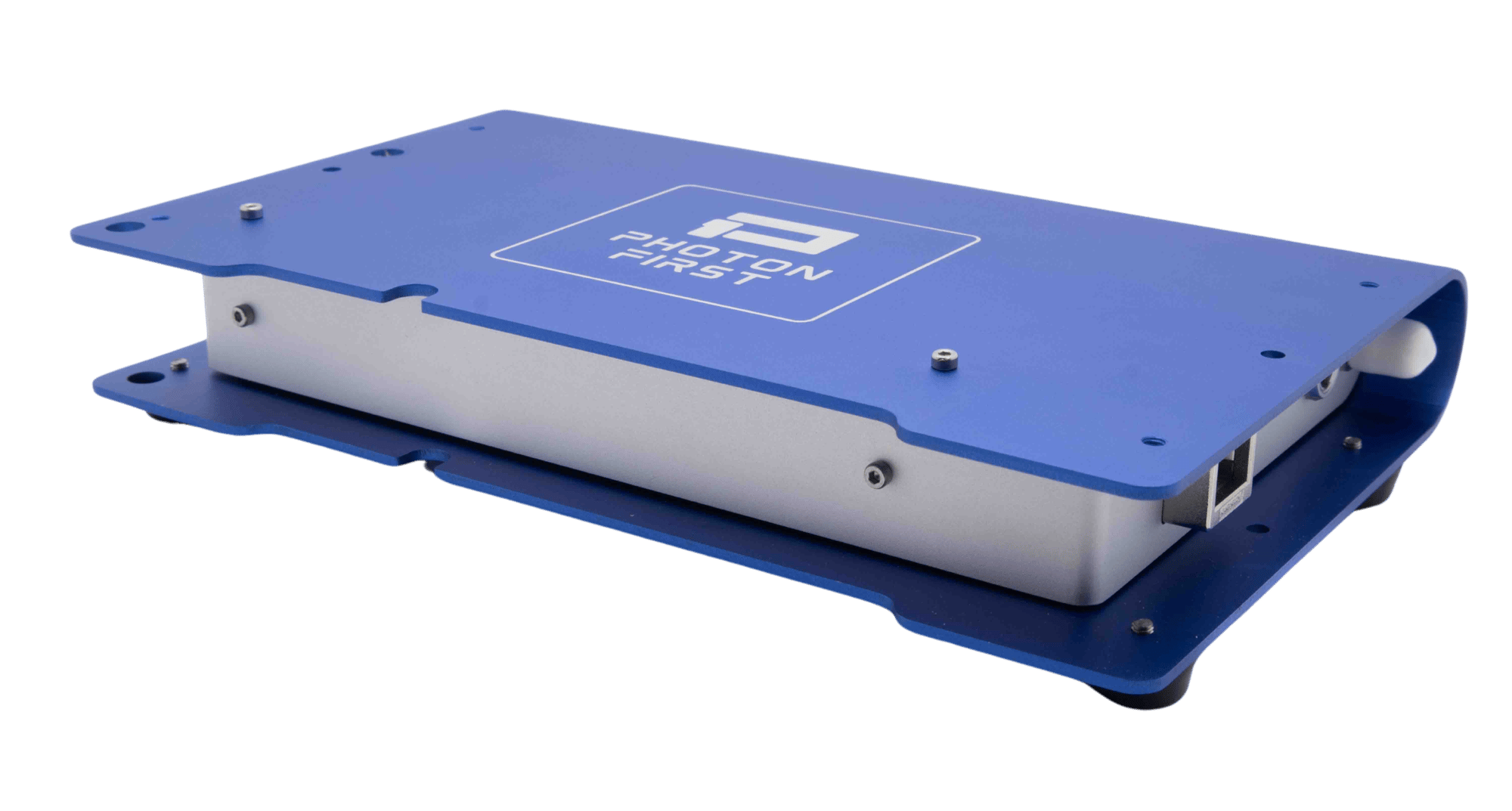
GTR image

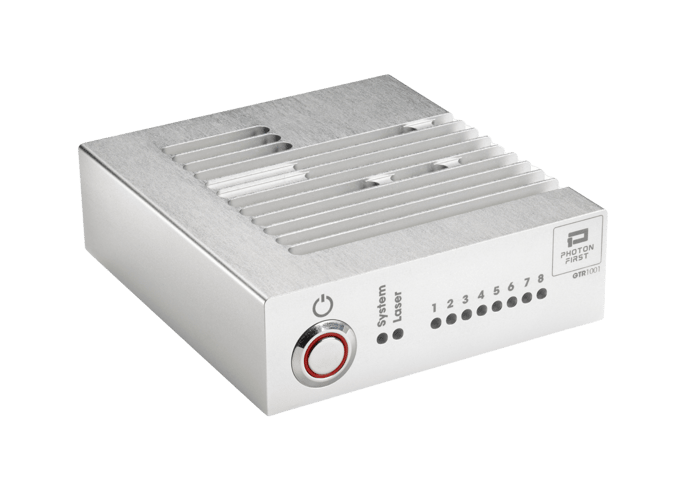
GTR

- 1 optical channel
- 8 FBG sensors
- 19.23 kHz sampling frequency

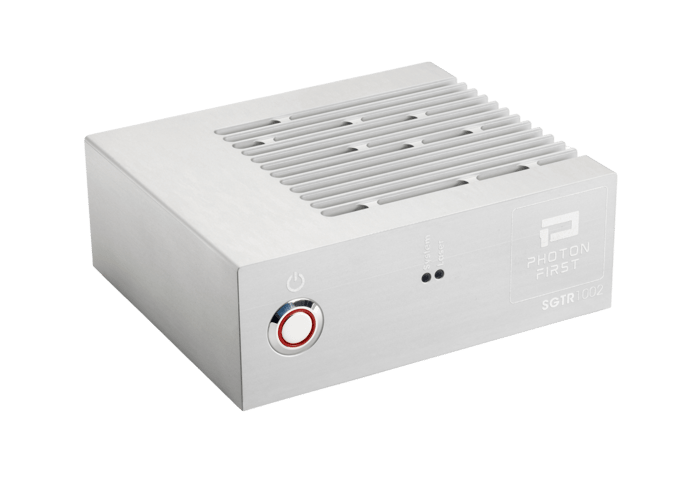
SGTR image

SGTR

- 8 optical channels
- 8 FBG sensors per channel
- Maximum sampling frequency (1 ch.) 19.23 kHz
Nexus-100 image

Nexus-100

€3,000.00

- 1 channel
- Up to 100 FBG sensors
- Up to 50 kHz sampling frequency

AEROSPACE INTERROGATORS

Two new versions

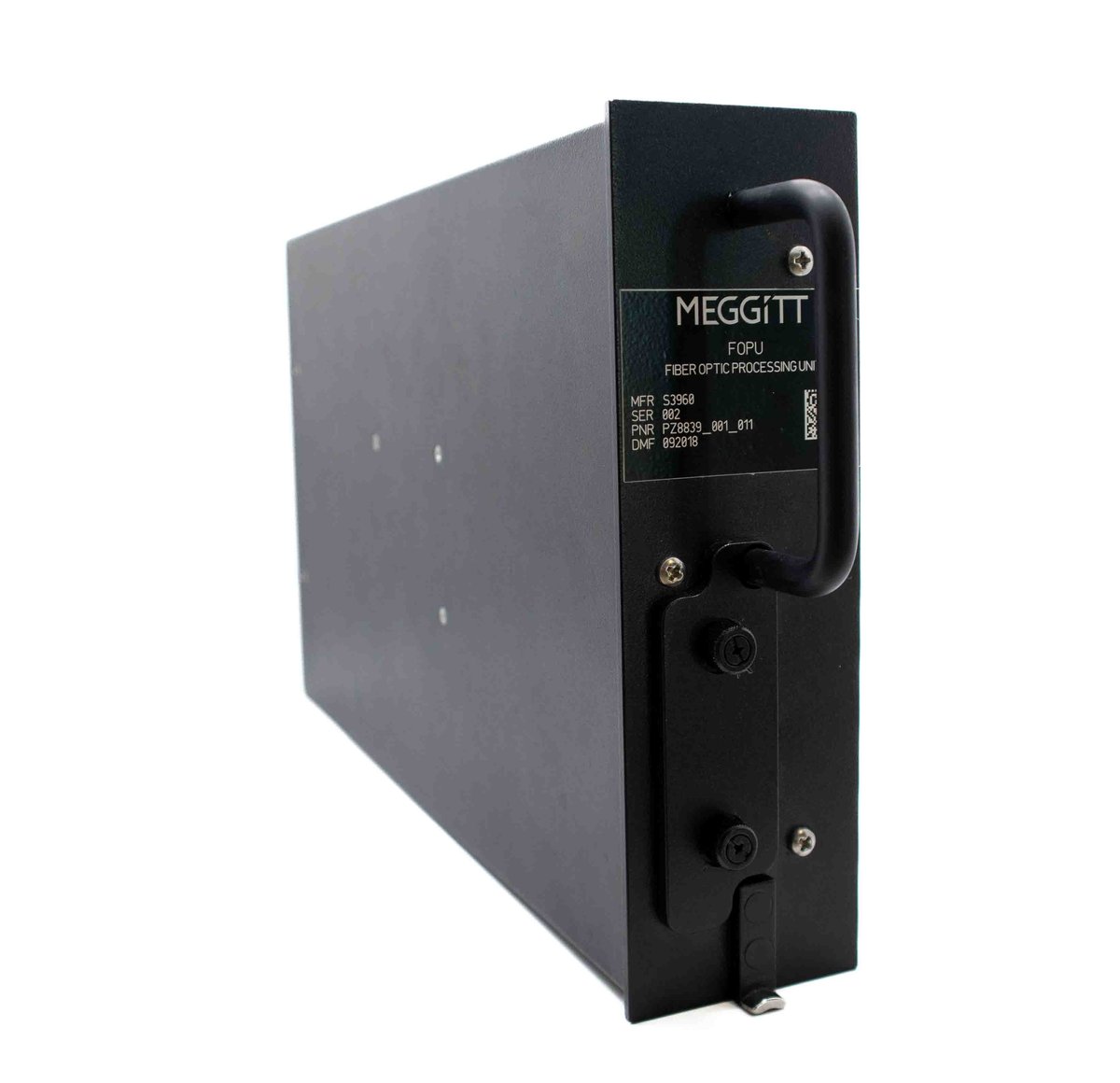
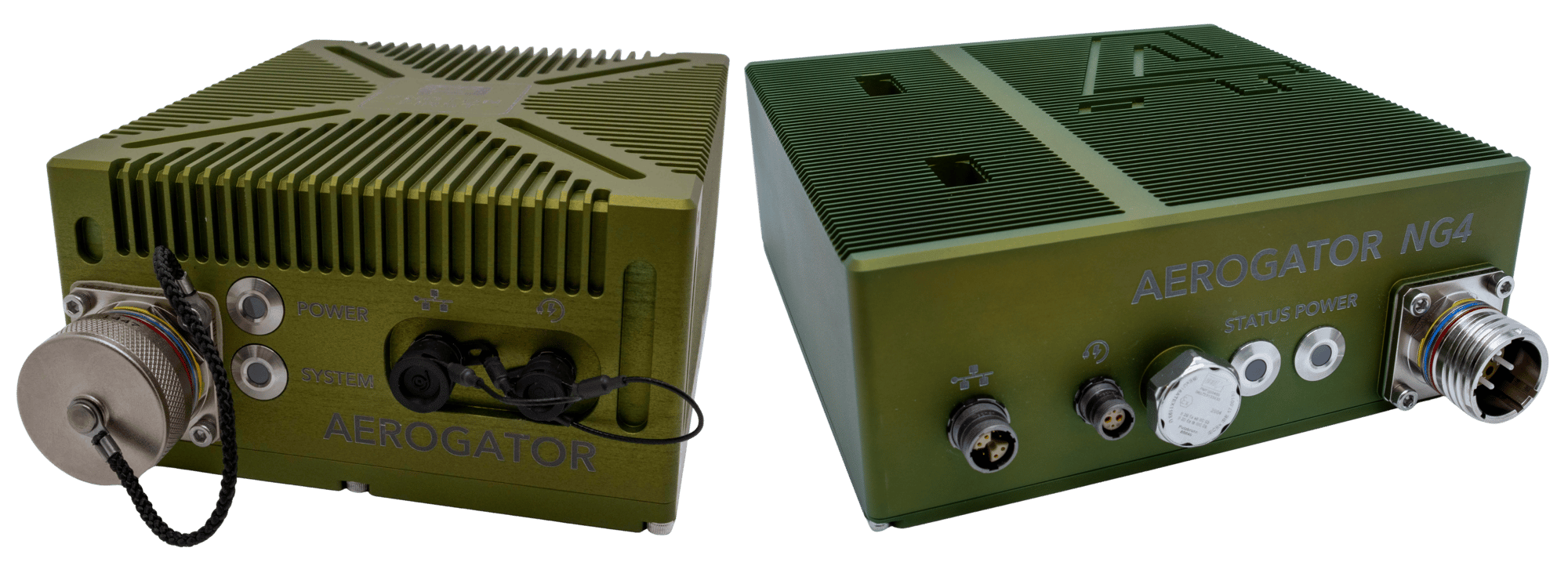
The all new Aerospace Interrogator, redesigned and re-developed to meet the demanding requirements in aerospace and defense applications. 

- DO-160G qualified
- On board processing
- Extended operating temperature range

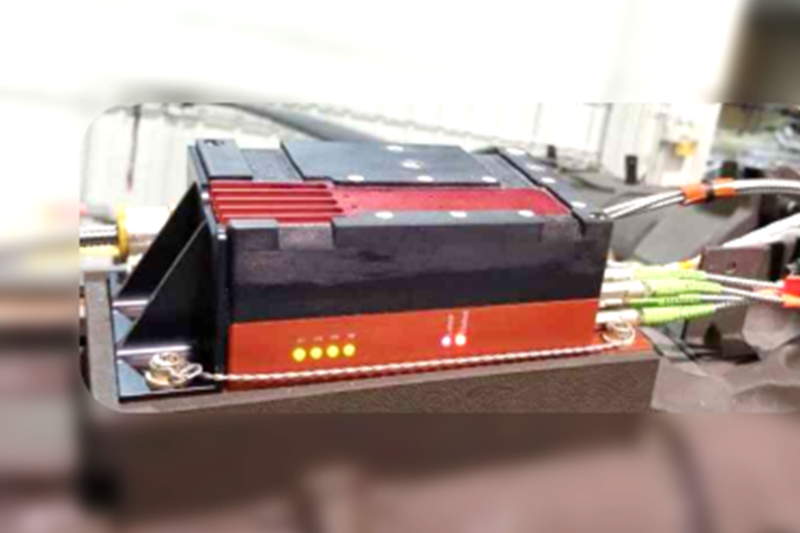
AGTR-NG4-1

We are the masters of custom system integration

Anyone can assemble a chip. Few can turn it into a mission‑ready photonic system. At PhotonFirst, we prove the difference by doing both – and shipping the result into aerospace, defense, energy, and infrastructure every day.

Our interrogators are not merely products we sell; they are living proof that we have solved the integration challenges most PIC projects stumble on: sub‑micron fiber alignment that stays stable under vibration, thermal management inside a package smaller than a deck of cards, electronics that talk aerospace protocols, and qualification paths that satisfy DO‑160G, MIL‑STD‑810, and MIL‑STD‑461.

Interrogator Channels Sampling Environment rating Why it matters
AGTR-NG4 4 22 kHz MIL‑STD‑810 / 461, −45 °C to +85 °C High‑speed precision in full defense‑grade shock & vibration
AGTR-NEO 8

19.2 kHz (1ch) / 50 Hz (8 ch)

DO‑160G qualified Certified for civil and military aerospace
Nexus-100 1 Up to 50 kHz Programmable, chip‑based Next‑gen miniaturized PIC interrogator for cost‑sensitive volume
SGTR 8 High speed multiplexed Compact SWaP Multi‑channel versatility for industrial and field deployments

Each interrogator is a case study in system integration:

  • Optics – Active‑aligned fiber coupling with pm‑level stability, ARINC 801 optical interfaces
  • Mechanics – Hermetic or near‑hermetic housing, shock‑qualified mounting
  • Thermal – Conduction‑cooled designs that keep PICs in spec across a 130 °C operating window
  • Electronics – Onboard single‑board computers for data processing and storage, Ethernet/UDP/TCP interfaces
  • Qualification – Complete DO‑160G and MIL‑STD test campaigns, documented and repeatable

We did not learn system integration from a textbook. We learned it by designing, qualifying, and deploying interrogators that now monitor landing gear loads, rotor blade dynamics, bridge structures, and offshore machinery.

Different customer-specific requirements and operating environments demand varied interrogation functionalities. To date, PhotonFirst has developed more than 25 custom interrogation solutions aimed at:

  • Mini size interrogators
  • DO-160 compliant solutions (shock and vibration proof)
  • Specific data interfaces (Ethernet, CAN, SSI)
  • High precision measurements (<1 femtometer)
  • 2000 FBG sensing points per fiber
  • High speed (100kHz)

When you work with PhotonFirst on PIC packaging, you inherit that entire body of knowledge. We apply the same design philosophy, the same qualification rigor, and the same "design for deployment" mindset to your photonic module – whether it becomes part of an aircraft, a satellite, a subsea cable, or a quantum experiment.

NEO on test table NLR
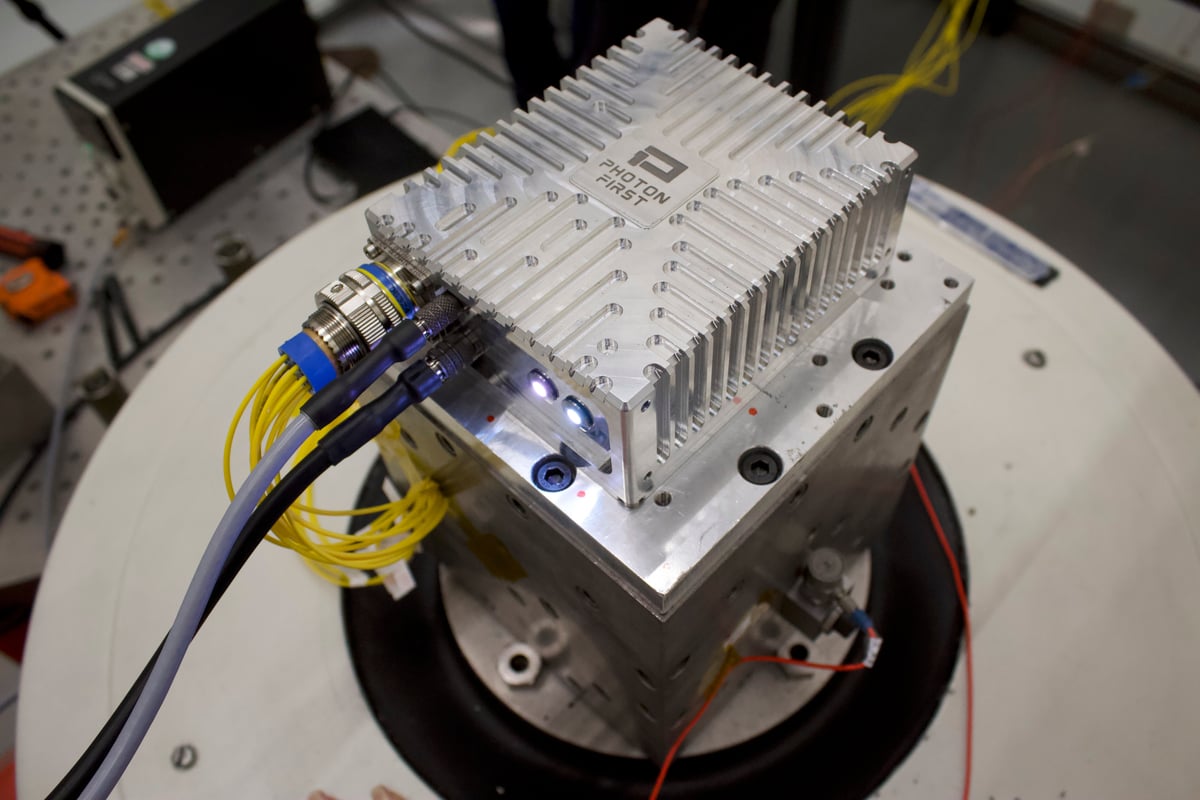
DO-160 qualification & HALT
Operating on military helicopter blades while withstanding forces of up to 50G
Tilt rotor blade monitoring and succesfull operation at 900 RPM
Monad with pen for reference
Miniaturization, USB-drive size interrogators. 
Gator SSI
ARINC

Why PIC-based interrogators?

The advantages of Photonic Integrated Circuits compared to electronic chips

PIC-based FBG interrogators offer a powerful combination of miniaturization, robustness, performance, and cost-effectiveness, making them an ideal choice for a wide range of sensing applications. Compared to conventional electronic chips Photonic Integrated Circuits offer valuable advantages:

  • Cost Reduction with Each New Chip Generation – As PIC technology matures, economies of scale drive down costs per chip, making each new generation more affordable. This contrasts with traditional bulk-optic designs that remain relatively expensive to manufacture. In the early days our system also cost € 50.000, today cost can go down to € 1.000 in volume.
  • Smaller System Footprint – PIC integration significantly reduces the size of the interrogator compared to free-space optics or fiber-based architectures. This enables compact (lucifer box), lightweight (<500 gram) designs suitable for space-constrained applications.
  • Ruggedness of the interrogator for harsh environment – PIC-based designs enhance resistance to shock, vibration, and EMC interference, making them ideal for aerospace and harsh (industrial) environments where compliance with DO-160G, MIL-STD-461 or MIL-STD-810 standards is required.

This combination of cost-effectiveness, miniaturization, and robustness makes PIC-based FBG interrogators highly attractive for demanding sensing applications.